01/ In conversation
The process.
An AI-led conversation with Vittorio Nardone.
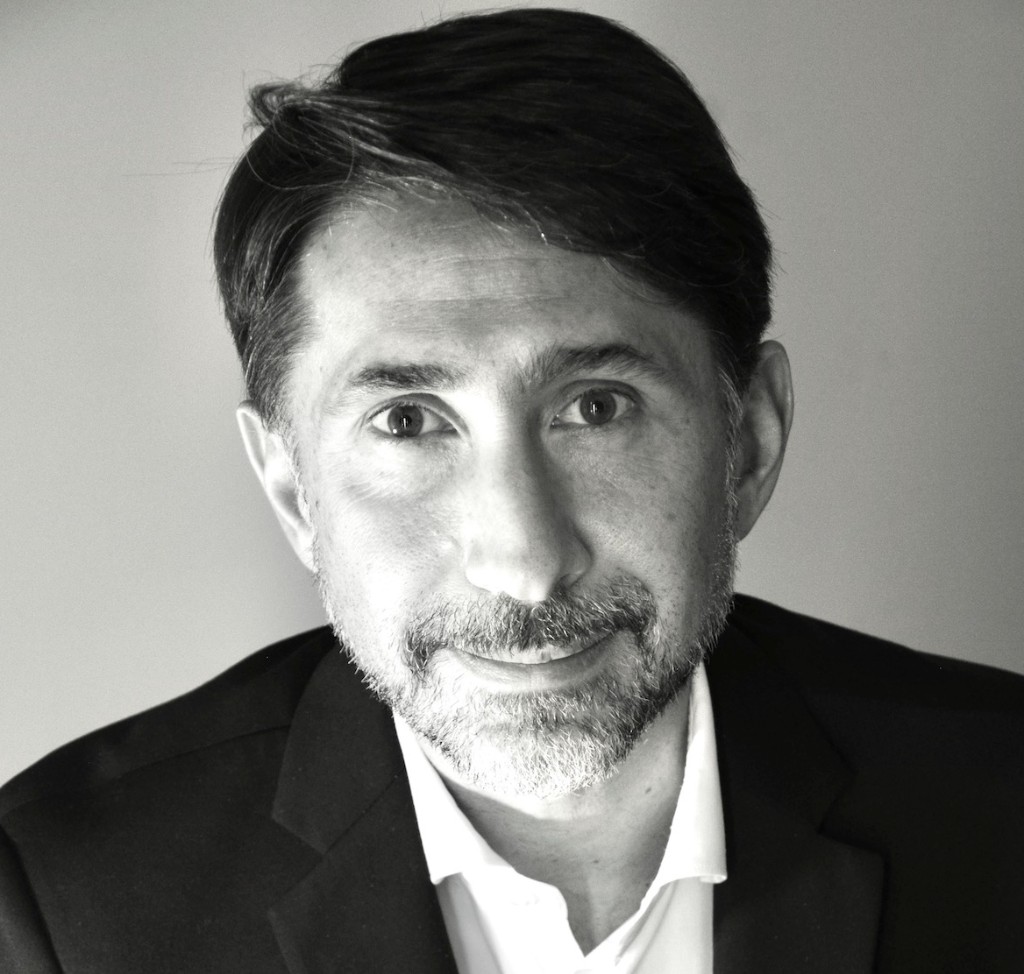
So, what exactly do you do?
I help startups make the technical decisions that shape their next 2-3 years. Sometimes that means reviewing architecture. Sometimes it means hiring the right first engineer. Sometimes it means telling a founder what NOT to build.
You're not a dev shop though?
Not at all. Dev shops sell hours and bodies. I sell clarity. I figure out what the actual technical problem is, build a strategy around it, and if you need hands on keyboards, I'll help you find the right ones.
That's a sharp distinction. Clarity over capacity.
The third reason startups fail is the wrong team. Not wrong people — wrong decisions. And technical decisions made without senior judgment don’t just slow you down. They compound.
[La terza causa di fallimento delle startup è il team sbagliato. Non persone sbagliate — decisioni sbagliate. E le decisioni tecniche prese senza esperienza senior non ti rallentano soltanto. Si accumulano.]
[Der dritte Grund, warum Startups scheitern, ist das falsche Team. Nicht die falschen Leute — die falschen Entscheidungen. Und technische Entscheidungen ohne erfahrenes Urteil bremsen nicht nur. Sie potenzieren sich.]
[La troisième cause d’échec des startups, c’est la mauvaise équipe. Pas les mauvaises personnes — les mauvaises décisions. Et les décisions techniques prises sans jugement senior ne font pas que ralentir. Elles s’accumulent.]
[السبب الثالث لفشل الشركات الناشئة هو الفريق الخاطئ. ليس أشخاصاً خاطئين — قرارات خاطئة. والقرارات التقنية بدون حكم خبير لا تبطئك فقط. إنها تتراكم.]
You’re referencing the CB Insights study. How does that connect to what you do?
Directly. Most founding teams I work with aren’t bad — they’re incomplete. They have vision, hustle, domain knowledge. What they’re missing is someone who’s already made those architectural calls at scale. Who knows the difference between a shortcut and a time bomb.
That’s the gap. You don’t always need a full-time CTO on the cap table from day one. But you need someone who provides the sanity check on technology and hiring decisions — before they compound into something you can’t undo.
A sanity check before it compounds. That’s a clean way to put it.
Walk me through how an engagement works.
It always starts with listening. I spend the first week understanding your product, your team, your constraints. No frameworks, no templates — just honest assessment of where you are and where you need to be.
No templates — that's unusual for a consultant.
Then we define the critical path. What's the one thing that, if we get it right, unlocks everything else? That's where we focus. Everything else is noise.
From there it's 2-week sprints. Clear goals, clear deliverables. I'm in the important meetings, reviewing decisions, unblocking the team. Not micromanaging — steering.
What if I don't know what I need yet?
That's actually the most common starting point. Founders know something is off — maybe the product is too slow, the team is stuck, investors are asking hard technical questions. I help figure out the root cause before we talk solutions.
Diagnosis before prescription. Makes sense.
The best technical strategy is the one that removes options, not the one that adds them.
[La migliore strategia tecnica è quella che rimuove opzioni, non quella che le aggiunge.]
[Die beste technische Strategie ist die, die Optionen entfernt, nicht die, die sie hinzufügt.]
[La meilleure stratégie technique est celle qui élimine des options, pas celle qui en ajoute.]
[أفضل استراتيجية تقنية هي التي تزيل الخيارات، وليست التي تضيفها.]
What are the different ways you work with people?
Three main ways. First is the deep dive — technical due diligence before a funding round. Investors want to know if the code is solid. I give them that answer. Usually 1-2 weeks.
Second is MVP validation. You have an idea, you need to know if it can work technically and get a prototype in front of users. 2-week cycles, real code, not slides.
Real code, not slides. I like that.
Third is fractional CTO. Ongoing engagement — architecture, hiring, team structure, technical roadmap. I become part of your leadership team without the full-time cost.
How do you make sure the work is actually good?
Accountability. I don't disappear after a slide deck. Every recommendation I make, I'm prepared to implement or oversee. If something's not working, I'll tell you before you figure it out yourself.
I'd rather lose a client by being honest than keep one by being comfortable.
[Preferisco perdere un cliente essendo onesto che tenerlo essendo comodo.]
[Ich verliere lieber einen Kunden durch Ehrlichkeit, als einen zu behalten, indem ich es mir bequem mache.]
[Je préfère perdre un client en étant honnête que d'en garder un en étant confortable.]
[أفضّل خسارة عميل بالصدق على الاحتفاظ به بالمجاملة.]
Let's talk money.
Due diligence and MVPs are fixed-price. You know the cost upfront. Fractional CTO is a monthly retainer based on the level of involvement. No surprises, no time-sheet games.
Transparent. That's refreshing.
What about founders who are just getting started, with a very limited budget?
Some of my favourite projects started exactly there. A founder with an idea, a small budget, and a lot of urgency. The MVP track is designed for that — fixed scope, fixed price, real output in weeks. You don't need to be venture-backed to work with me.
How fast can you move?
Week one: understand the problem and build the strategy. Week two: work starts. Sometimes faster. My default is fast — that's how I'm built.
Don't wait until you're properly stuck. Earlier is always easier.
[Non aspettare di essere completamente bloccato. Prima è sempre più facile.]
[Warten Sie nicht, bis Sie richtig feststecken. Früher ist immer einfacher.]
[N'attendez pas d'être vraiment bloqué. Plus tôt, c'est toujours plus facile.]
[لا تنتظر حتى تعلق تماماً. البداية المبكرة دائماً أسهل.]
Any final thoughts?
If you're building something real — whether it's a pre-seed prototype or a scale-up heading for Series B — let's have a conversation. No pitch, no pressure. Just an honest assessment of whether I can help.
No pitch, no pressure. Just a conversation. Got it.
Ready to move fast?
[Pronto a partire veloce?]
[Bereit, schnell loszulegen?]
[Prêt à avancer vite ?]
[مستعد للانطلاق بسرعة؟]
Book a call